
Why Bespoke Design Begins Before the Room
- Karina Gaio
- Jun 13, 2024
- 4 min read

Studio Note — From the Timeless Impress Atelier
A beautiful venue is not yet a point of view.
It may offer light, architecture, history, or atmosphere. It may already carry elegance. But what makes a celebration feel truly personal is not the room alone. It is the way a visual language begins to gather around it.
That is where bespoke design starts to matter.
Not as embellishment added afterward, but as a way of shaping how the event will be understood from the very beginning.

Beyond a Beautiful Venue
Some spaces are naturally striking.
A coastal resort.A historic ballroom.A garden at dusk.A dining room with the right proportions and enough light.
These settings can do a great deal of work. But they do not automatically make a celebration feel authored. A beautiful room can still host a familiar event. What changes that is not more decoration alone. It is the introduction of specificity.
What belongs here?
What should the guests feel before anything is said?
What part of the couple’s world should already be visible in the invitation, the paper, the palette, the pacing, the way they are received?
These are design questions.
And they begin long before the room is fully seen.
Bespoke Design Is Not Added at the End
One of the common misunderstandings around bespoke work is that it begins once the larger decisions are already fixed.
Venue chosen.
Date confirmed.
Flowers discussed.
Menu in progress.
And then design arrives to make things beautiful.
But the strongest bespoke work usually begins earlier than that.
It begins when the atmosphere of the event is still being defined. When paper goods are not treated as isolated accessories, but as part of the larger visual and emotional structure of the celebration.
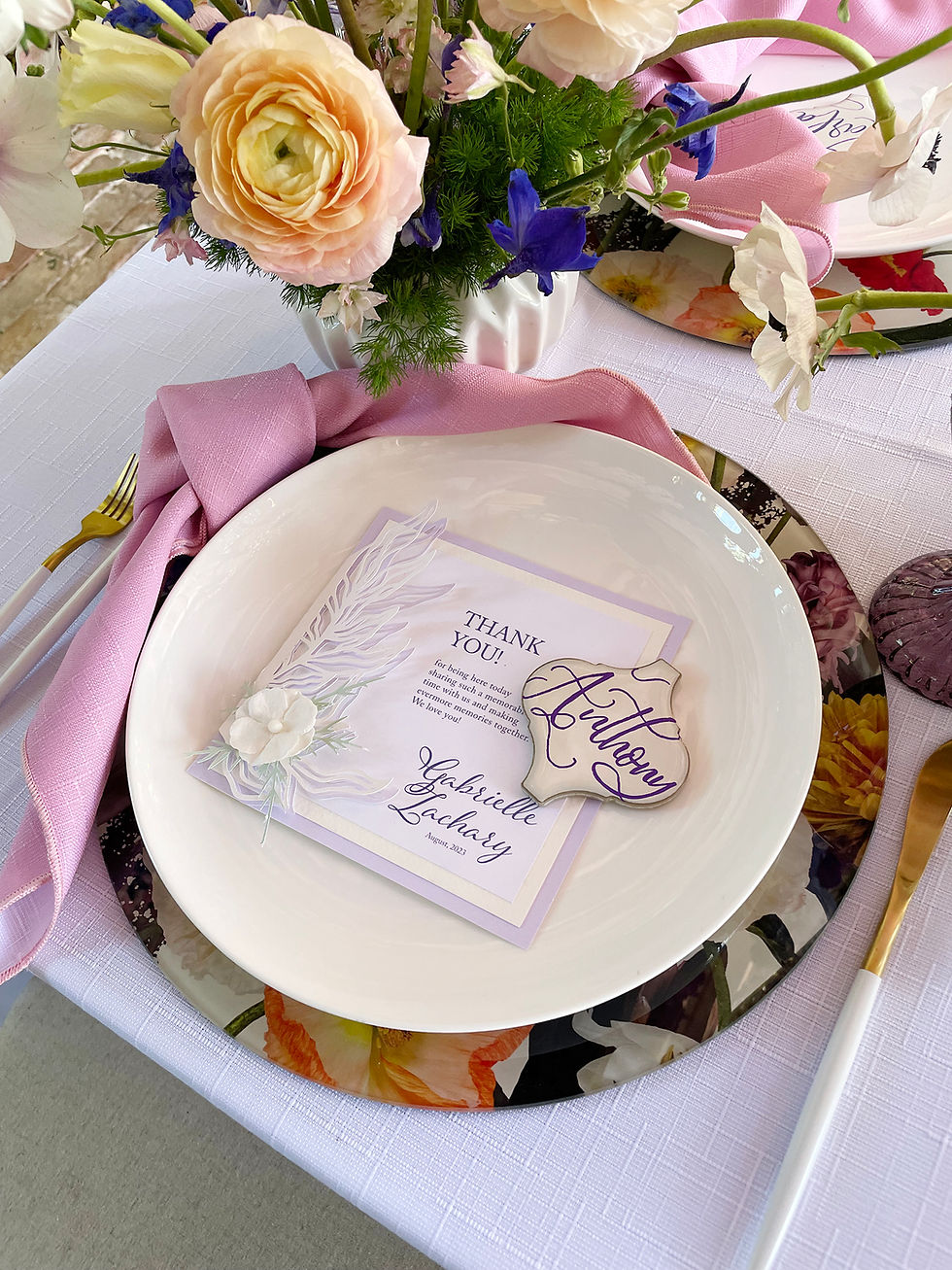
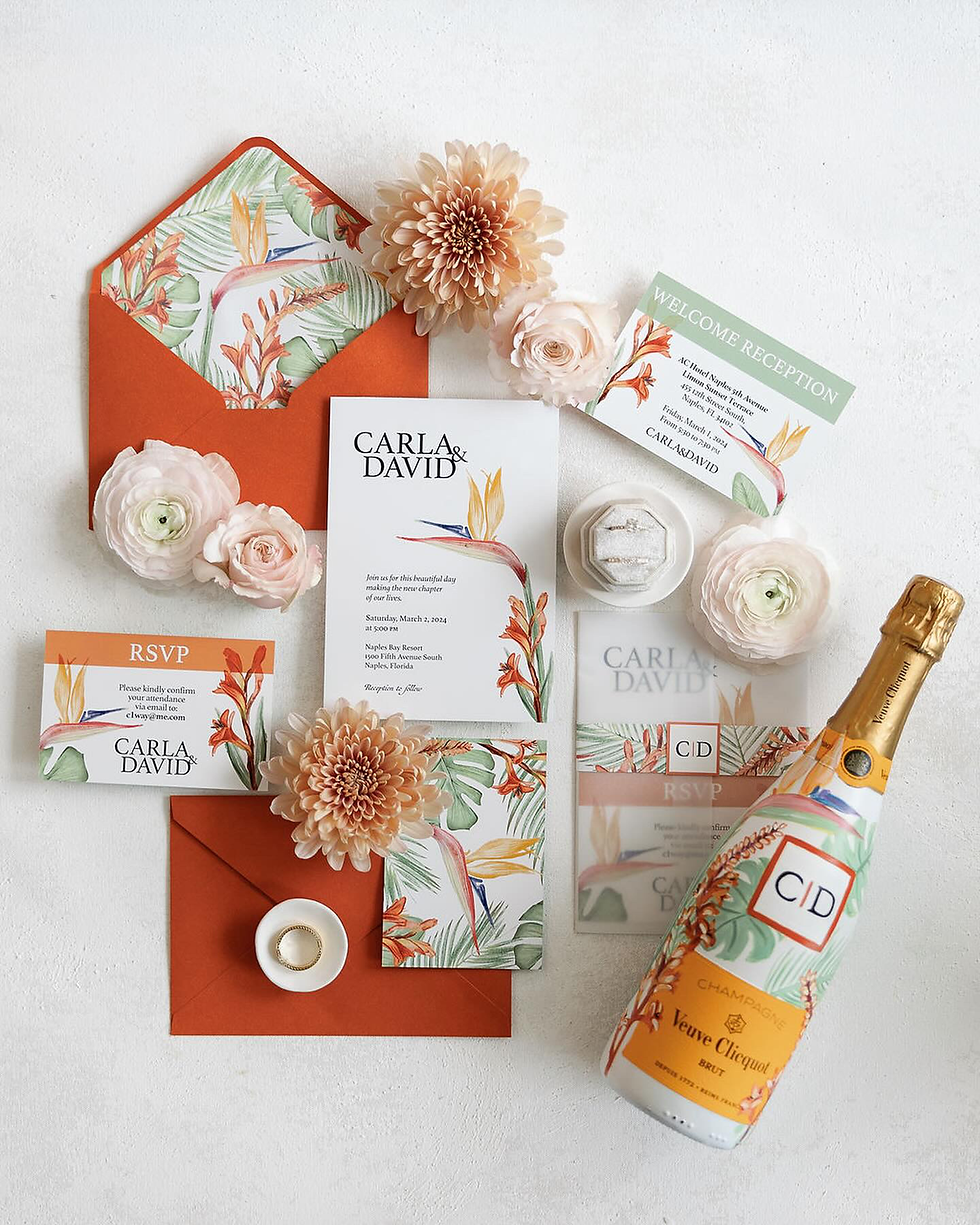
An invitation suite can do this quietly. It can introduce proportion, rhythm, formality, softness, architecture, or cultural reference without overexplaining itself. It can begin teaching guests how to enter the event before they have seen the room or read the schedule.
This is one of the reasons paper matters so much in bespoke design.
It is often the first place where tone becomes tangible.
What Makes an Event Feel Unique
Uniqueness does not come from novelty alone.
It comes from authorship.
A familiar venue can feel entirely different when the event has been given its own internal logic. When the paper, the materials, the color relationships, the guest experience, and the visual cues are all speaking the same language, the celebration begins to feel less like a format and more like a world.
This does not require excess.
It requires clarity.
A welcome sign that actually belongs to the suite.Menus that continue the same visual register rather than interrupting it.Paper details that make the event feel held together from beginning to end.Choices that feel as though they came from one point of view rather than being collected from several.
That is what makes a celebration memorable.
Not simply that it was beautiful.
That it felt like itself.
Reinvention Through Design
A bespoke event is not always about inventing something no one has ever seen.
More often, it is about reinterpreting what already exists until it becomes personal.
A venue may be familiar.
A format may be traditional.
A guest experience may follow a known rhythm.
But when design is approached thoughtfully, even familiar structures can become more distinctive.
Paper goods are especially powerful here because they can begin the reinvention early. They introduce cues before the event itself has started. They establish a relationship between the guest and the celebration before the room, the table, or the ceremony ever appear.
That is where bespoke work often proves its value.
Not only in what it adds, but in how it directs attention.

A Studio Perspective
What interests me most about bespoke design is not excess.
It is coherence.
The point at which separate decisions begin to feel like they belong to the same world. The point at which a celebration stops looking assembled and starts feeling authored.
That work is often quieter than people expect.
It can live in an invitation.
In a menu.In the proportion of a card.
In the way a palette moves from paper into the room.
In how a guest begins to understand the tone of the event before the event has fully arrived.
This is where bespoke design becomes most meaningful.
Not when it performs individuality loudly.
When it gives form to something specific enough to feel true.
For a related reflection on how a stationery suite is designed through relationships rather than isolated upgrades, continue with Why a Stationery Suite Is Designed as a System.
For a broader Studio Note on how weddings become personal when they stop borrowing their identity from elsewhere, read How to Make a Wedding Feel Personal Without a Theme.
Studio Notes is an ongoing series exploring how structure, paper, and thoughtful design shape meaningful celebrations.

It really highlights how intentional design transforms an event into an experience that feels personal and memorable. The emphasis on bespoke elements truly resonates every detail matters when you're aiming for something meaningful and one-of-a-kind.
If anyone’s looking to explore this concept further, I’ve had a great experience with https://www.moleculedesigns.co.uk/. They specialize in molecule design and bring a unique visual language to modern events and the best part is, their rates are quite reasonable for the level of detail and customization they provide.