
Paper Is Never Only a Surface
- Karina Gaio
- Aug 6, 2024
- 3 min read

Studio Note — From the Timeless Impress Atelier
Paper is often treated as the background.
The base layer.The support.The thing beneath the design.
But paper is never only that.
It carries texture, weight, resistance, softness, light, and tone before typography or printing fully begin to speak. It shapes the way a piece is held, read, and remembered. And in a studio practice like mine, it is never neutral.
That is what makes paper so enduring.
Not only that it receives design.
That it changes it.

A Medium That Has Always Carried Thought
Paper has lived many lives.
It has held sketchbooks, letters, drafts, studies, margins, revisions, and the earliest forms of visual thinking. Long before something becomes final, it often appears first on paper. That remains true even now.
There is a reason so many creative processes still begin there.
Paper allows thought to take form without demanding permanence too soon. It welcomes experiment. It holds gesture. It gives the hand somewhere to begin.
That is part of its quiet authority.
Not everything important starts digitally.
Some things still need a surface that can absorb uncertainty.
Why Paper Still Matters
In a digital world, paper carries a different kind of meaning than it once did.
It is no longer the default.
Which means when it appears, it matters more.
A printed piece asks for attention in a different way. It slows the eye. It engages the hand. It asks to be opened, turned, lifted, or kept. That physical encounter changes the experience.
This is especially true in stationery.
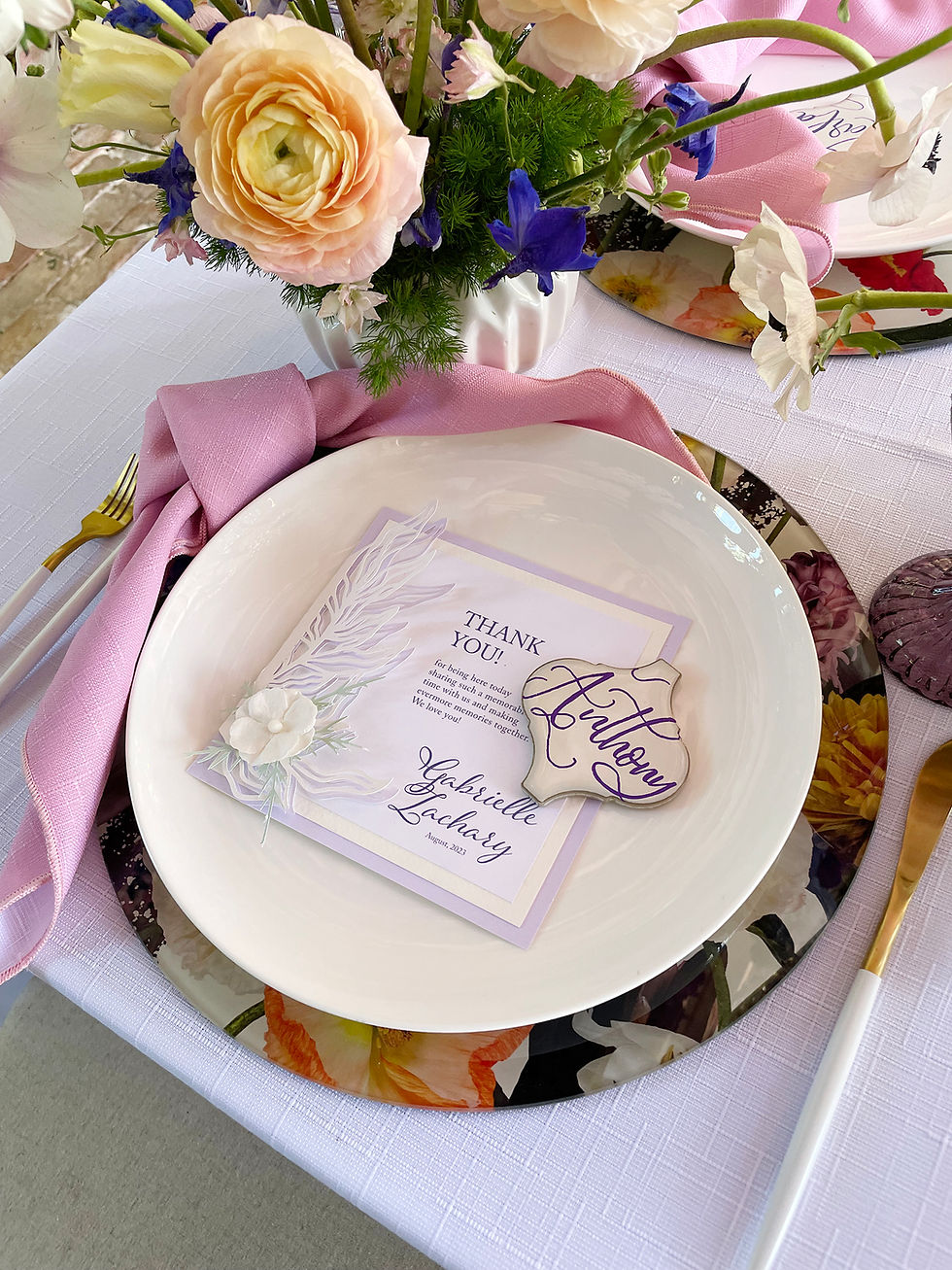
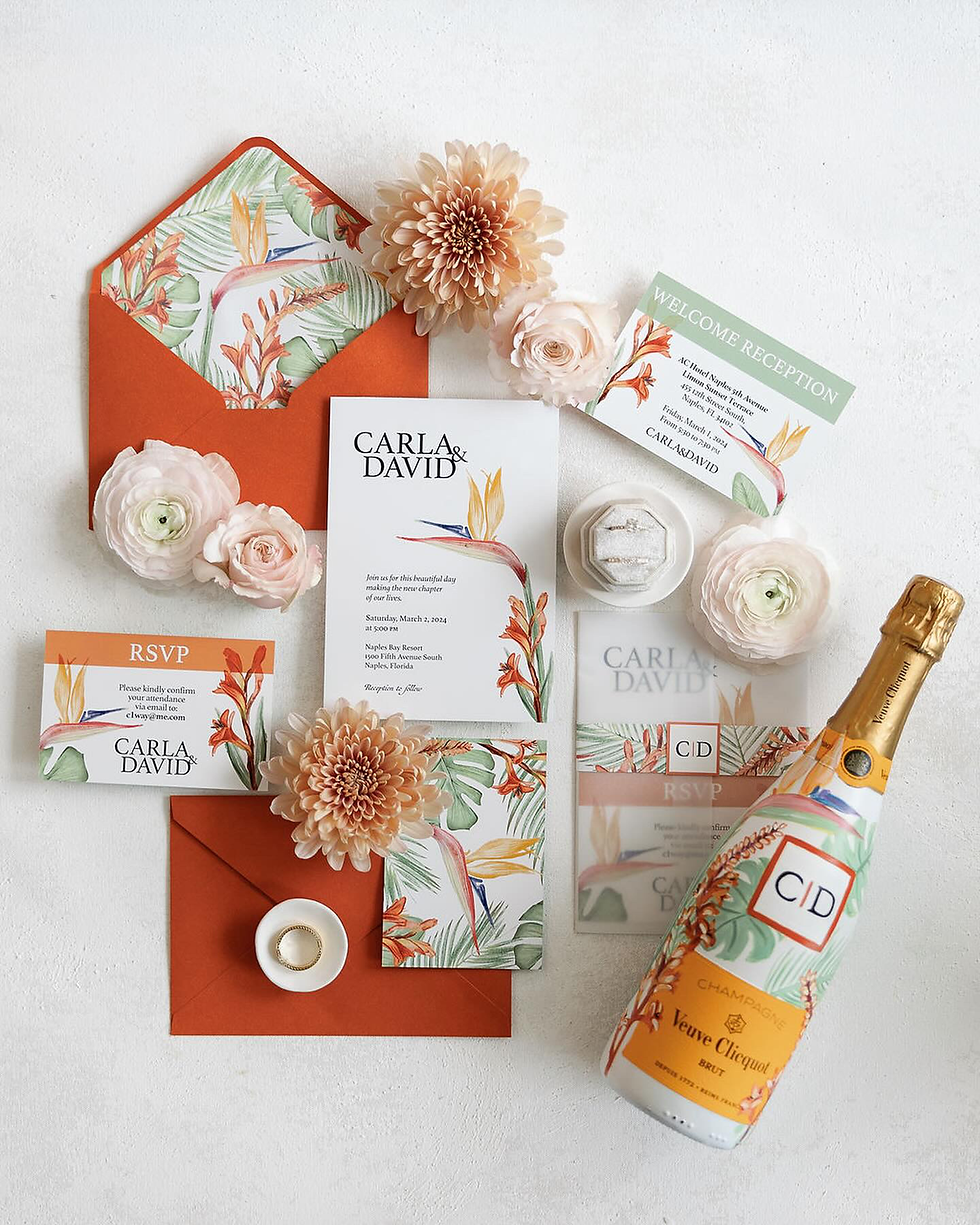
The weight of the stock.The finish of the sheet.The edge, the fold, the way ink settles into the surface.
These are not secondary details. They are part of the message.
Paper does not simply hold information.
It changes how information is received.
Material Is Meaning
One of paper’s greatest strengths is that it can carry feeling without illustration.
A smooth stock can feel clean and architectural.
A softer sheet can feel intimate.
A textured paper may introduce warmth.
A translucent layer can create pause.
A heavier board can suggest importance before a word is read.
This is what makes paper so powerful in design.
It communicates silently.
And because it communicates silently, it is often underestimated. People notice the typography, the palette, the printed image. But what they are often responding to more deeply is the material logic beneath it.
The paper has already prepared them to feel something.
Beyond Utility
Paper is useful, of course.
It records.
It carries.
It presents.
But in well-considered design, it does more than function.
It creates atmosphere.
This is why I continue to return to paper not only as a practical medium, but as an expressive one. It can be cut, layered, wrapped, embossed, softened, sharpened, or left almost untouched. It can feel ceremonial or restrained. It can become sculptural, quiet, romantic, or architectural depending on how it is chosen and what is asked of it.
And even when used very simply, it rarely feels empty.
Paper always brings something with it.
A Studio Perspective
What interests me most about paper is not nostalgia.
It is presence.
The fact that paper still asks us to encounter design physically. The fact that it still allows a printed piece to feel slower, more deliberate, more inhabited by the hand. The fact that in a world of speed and constant scrolling, paper remains one of the few materials that can make attention feel tangible.
That is why it continues to matter.
Not because it belongs to the past.
Because it still holds forms of beauty, discipline, and intimacy that other mediums cannot fully replace.
For a related reflection on how paper begins shaping tone before language fully arrives, continue with What Paper Communicates Before a Word Is Read.
For a broader Studio Note on how bespoke paper goods are built through relationships rather than isolated additions, read Why a Stationery Suite Is Designed as a System.
Studio Notes is an ongoing series exploring how structure, paper, and thoughtful design shape meaningful celebrations.

Comments